
Holiday Let EV Charging
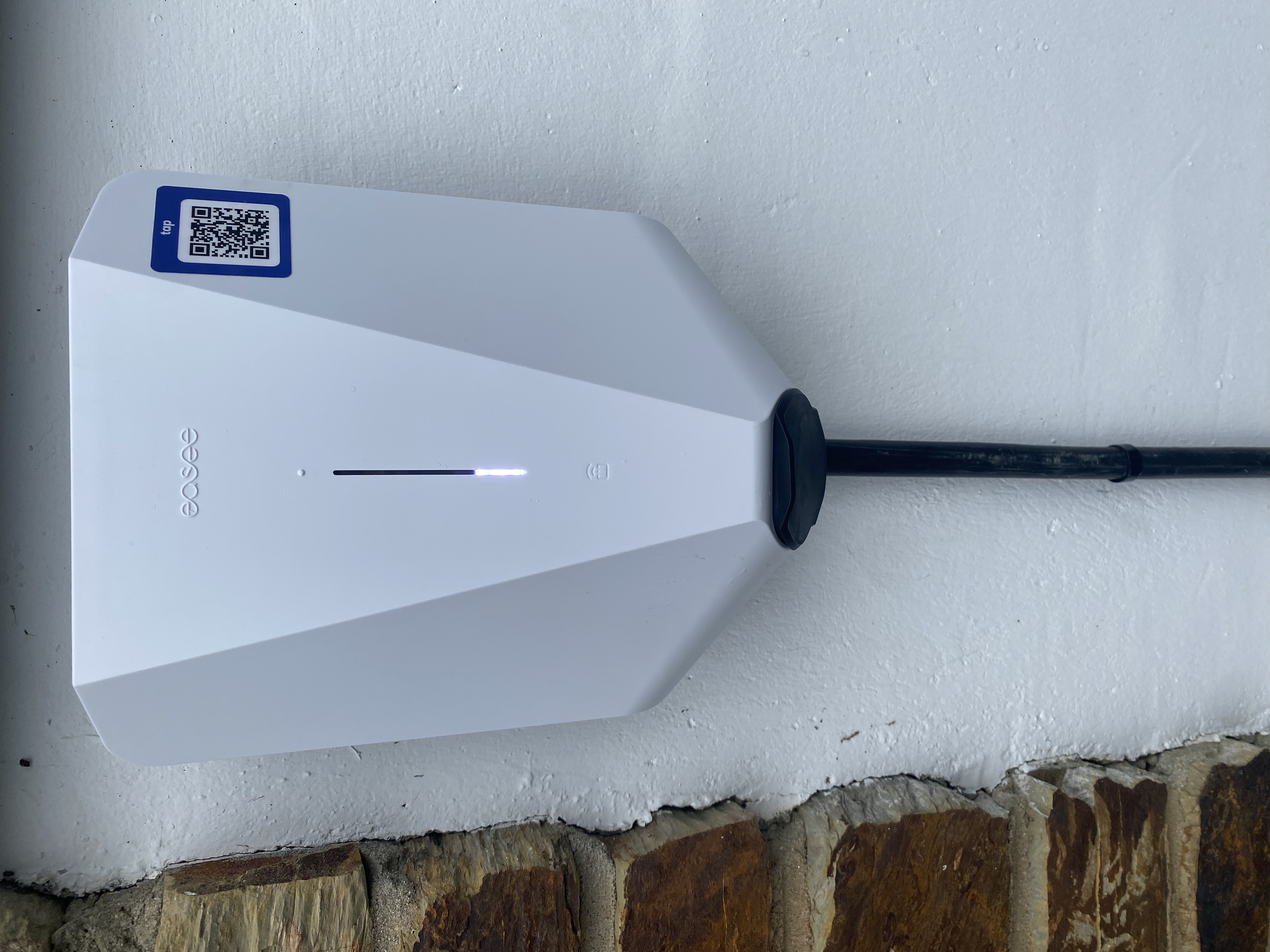
The Problem Most Holiday Let Owners Don't Know They Have
Guests can charge their vehicles using standard plug sockets without permission, potentially costing owners up to £25 per full charge. Holidaycottagemortgages. Multiply that by several charges during a week-long stay, and you're essentially providing free fuel while your competitors are generating additional revenue.
Here's what's happening: Research shows 90% of EV charging occurs at home rather than public sites, such as Schofields, which means holiday accommodation is the natural charging location for travelling EV owners. Without a dedicated charging solution, guests simply run extension cables from indoor sockets—and you foot the bill.
To put this in perspective: A Tesla Model 3 Long Range requires 75kWh for a full charge—about £18 at current UK electricity rates. A guest who charges every other day during a week could rack up £54 on your electricity bill, shrinking your profit margin—all without your explicit approval.
Cornwall's EV Boom: The Numbers Tell the Story
Cornwall now has 883 public charging devices as of October 2025, representing an 18% year-on-year increase and placing Cornwall well above the UK average at 153 devices per 100,000 people. But here's the crucial insight: Cornwall Council is deploying up to 2,000 new charging points starting in 2025, with installations beginning in council car parks before expanding to on-street locations, Electrive.
This massive infrastructure investment signals one thing: Cornwall is preparing for significant growth in EV tourism. Cornwall's EV numbers are projected to increase from the current 2.4% of all vehicles to around 8% in 2025, 27% in 2030, and 42% by 2035, according to Cornwall Council.
About 570,000 vehicles are registered in Cornwall. With 27% EV adoption by 2030, that's roughly 154,000 electric vehicles on Cornish roads. Many will belong to tourists and second-home owners—your potential guests.
Why "There's a Charger Down the Road" Doesn't Work
Guests don't want to spend holiday time sitting in supermarket car parks while their vehicle charges at Schofields. The charging process takes time—even fast chargers require 30 minutes to an hour for meaningful range. For holidaymakers who've travelled to Cornwall to relax and explore, spending precious vacation time at a charging station is deeply unappealing.
Picture this: Your guests arrive at your Cornwall cottage after a long drive. Their battery is at 20%. The nearest public charger is a 10-minute drive away. Guests must either drive there right away and wait 45 minutes, disrupting their arrival, or plug in to your outdoor socket overnight "just this once."
EV drivers use apps that show exactly where charging points are located for trip planning, and they're likely to choose properties with on-site charging when returning to the Schofields area. This isn't future speculation—this is current booking behavior. Properties with charging facilities appear in filtered searches on major booking platforms, immediately giving them visibility advantages.
The Competitive Landscape
Major holiday letting platforms like Sykes now offer 1,000+ Schofields cottages with EV charging points. This early adoption gives them a compounding competitive edge by:
- Search visibility - Appearing in EV-specific filters
- Positive reviews - Guests specifically mention charging in reviews
- Repeat bookings - EV owners return to properties where charging was convenient.
- Premium pricing - Ability to charge slightly higher rates for the amenity
- Extended seasons - EV owners are often higher-income demographics booking off-season
The real question for Cornwall holiday let owners is not whether EV charging will become the norm, but whether you will proactively seize this advantage for market share—or react only after being forced by competitive pressure.
The Smart Charger Solution
Install a modern smart charger to turn EV charging from a cost into an amenity or profit stream. Choose properly installed systems to access usage tracking, access control, dynamic pricing, and load management.
Usage Tracking: Know exactly what each guest uses, down to the kilowatt-hour. Smart chargers log every charging session with timestamps, duration, and consumption. This enables accurate billing and prevents disputes.
Access Control: Multiple control options include:
- Unique access codes - Generate guest-specific codes that expire after checkout
- RFID cards - Provide guests with physical cards for activation
- App-based access - Guests use their smartphones to start/stop charging
- Key switches - Simple physical key control for lower-tech solutions
Dynamic Pricing: Set your own per-kWh rates. Options include:
- Cost recovery - Charge exactly what you pay (e.g., 24p/kWh)
- Cost-plus model - Add markup to cover installation costs (e.g., 35p/kWh)
- Flat fees - Charge per session or per night regardless of usage
- Included amenity - Absorb costs but charge premium property rates.
Load Management Suppliers may install electric load management hardware to ensure safe operation and keep electricity usage within your property's capacity, Sykes Holiday Cottages. This is particularly important for older Cornwall properties that may have limited electrical infrastructure.
For properties with multiple chargers (separate cottage developments or large properties), load management prevents simultaneous charging from overwhelming your electrical supply. The system automatically balances power delivery across multiple vehicles.
Off-Peak Scheduling Smart chargers can automatically schedule charging during cheaper electricity rate periods. If you're on an Economy 7 or similar tariff, this delivers immediate savings. A vehicle charged overnight at 7.5p/kWh versus 35p/kWh during peak hours represents a 79% cost reduction.
Installation Considerations for Cornwall Properties
Electrical Capacity Assessment: Your property's electrical supply must be assessed before installation. Cornwall properties range from modern builds with robust supplies to centuries-old cottages with limited capacity. Professional installers will:
- Measure your main supply capacity (typically 60-100 amps for domestic properties)
- Calculate existing electrical load.
- Determine available capacity for charging.
- Recommend load management solutions if needed.
- Identify any necessary upgrades.
For properties with marginal capacity, options include:
- Load management systems that reduce charger output when other appliances operate
- Solar integration to supplement the grid supply during the daytime
- Battery storage to provide charging capacity without grid upgrades
- Lower-power chargers (3.6kW instead of 7kW) that work within constraints
Professional Installation Requirements: Always use certified professionals to install charge points for safety. Also, notify your insurance provider before installation.
OZEV-approved installers (required for grant funding) provide:
- Full electrical surveys and certification
- Compliance with BS 7671:2018 wiring regulations
- Three-year warranty on equipment and installation
- Ongoing support and maintenance options
- Insurance-compliant documentation
Installation typically takes 4-6 hours for a single charger and includes:
- Mounting the charger unit (wall or post)
- Running armored cable from your consumer unit
- Installing appropriate circuit protection
- Configuring the smart features and connectivity
- Testing and commissioning
- Guest instruction materials
Insurance Notifications: Contact your holiday let insurance provider before installation to inform them. Most insurers will note the addition without increasing your premium. However, if you don't notify them, your claims could be invalid if electrical issues arise.
Required information for insurers:
- Charger specifications and power rating
- Installation by certified electrician (provide credentials)
- Safety certifications
- Access control measures implemented
Grant Funding: Reducing Your Investment
The Workplace Charging Scheme provides up to 75% of the purchase and installation costs for Sykes Holiday Cottages through government vouchers. Holiday lets qualify as "small accommodation businesses" under this scheme.
Grant Details:
- Amount: Up to £350 per charger socket, covering 75% of costs
- Example: £1,200 installation = £900 grant, you pay £300
- Process: Voucher-based system, valid for 180 days
- Requirements: OZEV-approved installer, dedicated parking, property ownership, or landlord permission
Application Process:
- Arrange a site survey with an OZEV-approved installer.
- Obtain installation quote
- Apply online for a grant voucher.
- Receive voucher code (typically within 5 working days)
- The installer completes work within 180 days.
- The installer claims a grant, reducing your invoice.
Additional Financial Benefits:
- Capital allowances: Claim 100% first-year allowance on equipment costs
- VAT recovery: If VAT-registered for your holiday let business
- Property value: Properties with EV charging command premium sale prices
Revenue Models for Holiday Lets
Model 1: Usage-Based Charging Charge guests per kWh consumed. Smart chargers track usage and can integrate with booking systems for automatic billing.
Example pricing:
- Your electricity cost: 24p/kWh
- Your charge to guests: 35p/kWh
- Margin: 11p/kWh
- Typical weekly guest usage: 100kWh
- Your profit: £11/week
This model is fair—guests pay for what they use—but requires communication about pricing.
Model 2: Flat Fee Charge a fixed amount per night or per stay regardless of usage.
Example pricing:
- £5/night charging fee
- Week-long stay: £35
- Your cost (estimated 100kWh): £24
- Your profit: £11/week
This model is simpler for guests to understand, but it may disadvantage you if guests have large vehicles and charge frequently.
Model 3: Include charging in your nightly rate and advertise it as a free amenity. Absorb the electricity cost but charge premium rates for "EV-ready" property.
Example:
- Increase nightly rate by £8
- Week-long stay: £56 additional revenue
- Your cost (100kWh): £24
- Net benefit: £32/week
This model maximizes bookings by removing barriers and appears generous, but requires competitive rate analysis.
Model 4: Tiered Access Offers basic charging free (or included) with options to upgrade for faster charging or unlimited usage.
Example:
- Basic: Overnight slow charging included (3.6kW)
- Premium: Fast charging £25/week (7kW)
- Unlimited: £40/week for unlimited 7kW charging
This model captures additional revenue from high-usage guests while maintaining a competitive base offering.
Marketing Your EV-Ready Property
Booking Platform Optimization Update all listings on platforms like Airbnb, Vrbo, Sykes, and your own website:
- Enable EV charging filters/categories.
- Add "EV charging available" to the amenities list.
- Include charger specifications (power rating, connector type)
- Mention charging in the property description.
- Add photos of the charging station.
- Specify charging policy and costs in the house rules.
EV-Specific Platforms: List your property on EV driver resources:
- Zap-Map (allows business/accommodation listings)
- PlugShare (mark location with charging availability)
- EV-specific travel planning apps
- Cornwall tourism EV-friendly accommodation guides
Search Engine Optimization: Create content highlighting your EV facilities:
- A dedicated webpage about your EV charging
- Blog post about exploring Cornwall by EV with your property as a base
- Include relevant keywords (Cornwall EV charging, EV-friendly holiday cottage, etc.)
- Add structured data markup for search engines.
Guest Communication: Provide clear information:
- How to access and use the charger
- Charging costs (if applicable)
- Expected charging times
- Troubleshooting contact information
- Etiquette for shared charging (if multiple units)
Case Study: Realistic ROI Calculation
Property Profile:
- 3-bedroom cottage in North Cornwall
- Average nightly rate: £180
- 30 weeks of occupancy annually
- Current electricity cost: £1,800/year
Installation Investment:
- Charger equipment and installation: £1,200
- Less Workplace Charging Scheme grant (75%): -£900
- Net installation cost: £300
Revenue Model: Included amenity with a £5/night rate increase
Annual Financial Impact:
- Additional revenue (30 weeks × 7 nights × £5): £1,050
- Additional electricity cost (estimate 40% of guests use, 70kWh/week average, 24p/kWh): £141
- Net annual benefit: £909
Payback Period:
- Initial investment: £300
- Annual net benefit: £909
- Payback: 4 months
Five-Year Value:
- Net financial benefit: £4,545
- Competitive positioning: Priceless
- Property value increase: Estimated £2,000-3,000
This conservative example assumes only 40% of guests use the charger and that usage levels are modest. As EV adoption increases, both utilization and your competitive advantage compound.
Common Concerns Addressed
"What if guests damage the charger?" Modern chargers are robust and designed for public use. Damage is rare, and when it occurs, it's typically covered by your property insurance. Include charger care instructions in your guest information. Most smart chargers have safeguards preventing misuse.
"What about vandalism or theft?" Install chargers in well-lit, visible locations. Use lockable cables or cable management systems. Most holiday let settings are low-risk environments. Insurance typically covers theft or vandalism—ensure your policy reflects the charger value.
"My property has limited parking—will this cause issues?" Install the charger at a marked EV parking space. Clearly state in the listing that this space is reserved for EV charging. Most guests are respectful when expectations are clear.
"What if the technology changes?" Smart chargers receive software updates, maintaining compatibility. The Type 2 connector is now the EU/UK standard and will remain so for decades. Your investment is future-proofed through smart functionality that evolves via updates.
"Will this increase my insurance premium?" Most holiday let insurers don't increase premiums for professionally installed EV chargers. Some actually view it as risk reduction (fewer guests using extension cords improperly). Always notify your insurer—the notification itself doesn't typically trigger increases.
The Timeline: When to Install
Now (November 2025 - Q1 2026): Ideal installation window
- Lower booking pressure allows installation flexibility. Installer availability is better than peak season.
- Grants are fully funded for the current financial year.
- Property ready for 2026 peak season bookings
- Marketing materials updated before the booking season.
Q2 2026: Acceptable but pressured
- Approaching peak booking season
- Installer demand increasing
- Less flexibility for installation timing
- Still captures summer 2026 revenue.
Q3-Q4 2026: Reactive rather than strategic
- Peak season disruption potential
- Installer waiting lists
- Competition already established
- Revenue loss for the current season
The property owners who act now capture the full competitive advantage. Those who wait are responding to market pressure rather than leading it.
Next Steps for Cornwall Holiday Let Owners
- Conduct an electrical survey - Understand your current capacity and installation requirements. Research grant eligibility: confirm your property qualifies and understand the application process.
- Calculate your ROI - Factor in premium bookings, usage fees, occupancy increases, and grant funding.
- Choose the right system - Select charger specifications matching your property's needs and guest expectations.
- Select an installer - Work with OZEV-approved, Cornwall-experienced professionals.
- Plan marketing strategy - Update listings, create content, and communicate your EV-ready status
Why Choose Manta Power for Your Holiday Let Installation
At Manta Power, we specialize in Cornwall holiday let installations. We understand:
- Local electrical challenges - Cornwall's unique grid characteristics and older property constraints
- Council requirements - Planning considerations for listed buildings and conservation areas.
- Holiday let specifics: Guest-friendly systems, access control, and revenue optimization.
- The tourism sector needs: Quick installations between bookings, minimal disruption .
- Grant maximization - Complete support through the Workplace Charging Scheme application
Our consultative approach ensures you get the right solution—not just the fastest sale. We're local, so we're here when you need us, and we have a vested interest in your success and satisfaction.
The Bottom Line
The EV charging conversation for holiday lets has moved beyond "should we?" to "how quickly can we install?" With 27% of Cornwall's vehicles projected to be electric by 2030, the transition is happening now. Properties without charging will increasingly be filtered out of searches by a growing segment of the market.
Early adopters are already capturing market share, earning positive reviews mentioning their charging facilities, and converting one-time guests into repeat visitors. The combination of grant funding (75% covered), competitive advantage, and revenue generation makes this decision straightforward.
Don't wait until your competitors have captured the EV-driving market. Your next guest might already be driving an electric vehicle—will they find your property or your competitor's?
Contact Manta Power today for a no-obligation consultation about EV charging for your Cornwall holiday let. Let's discuss how to turn EV charging from a hidden cost into a competitive advantage and revenue stream.
📞 Call us or visit www.mantapower.co.uk