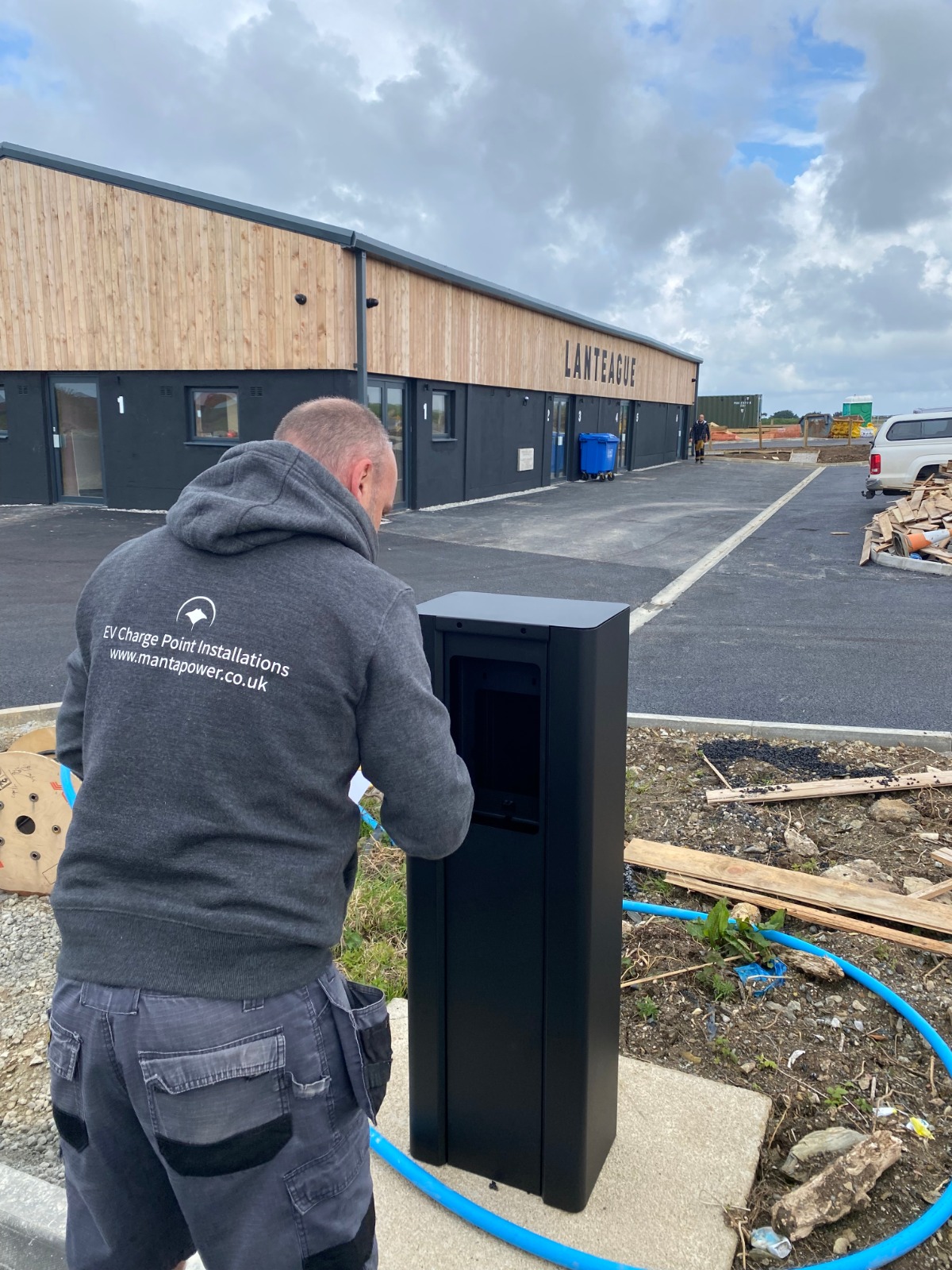
Should You Charge Holiday Let Guests for EV Charging? (And How Much)
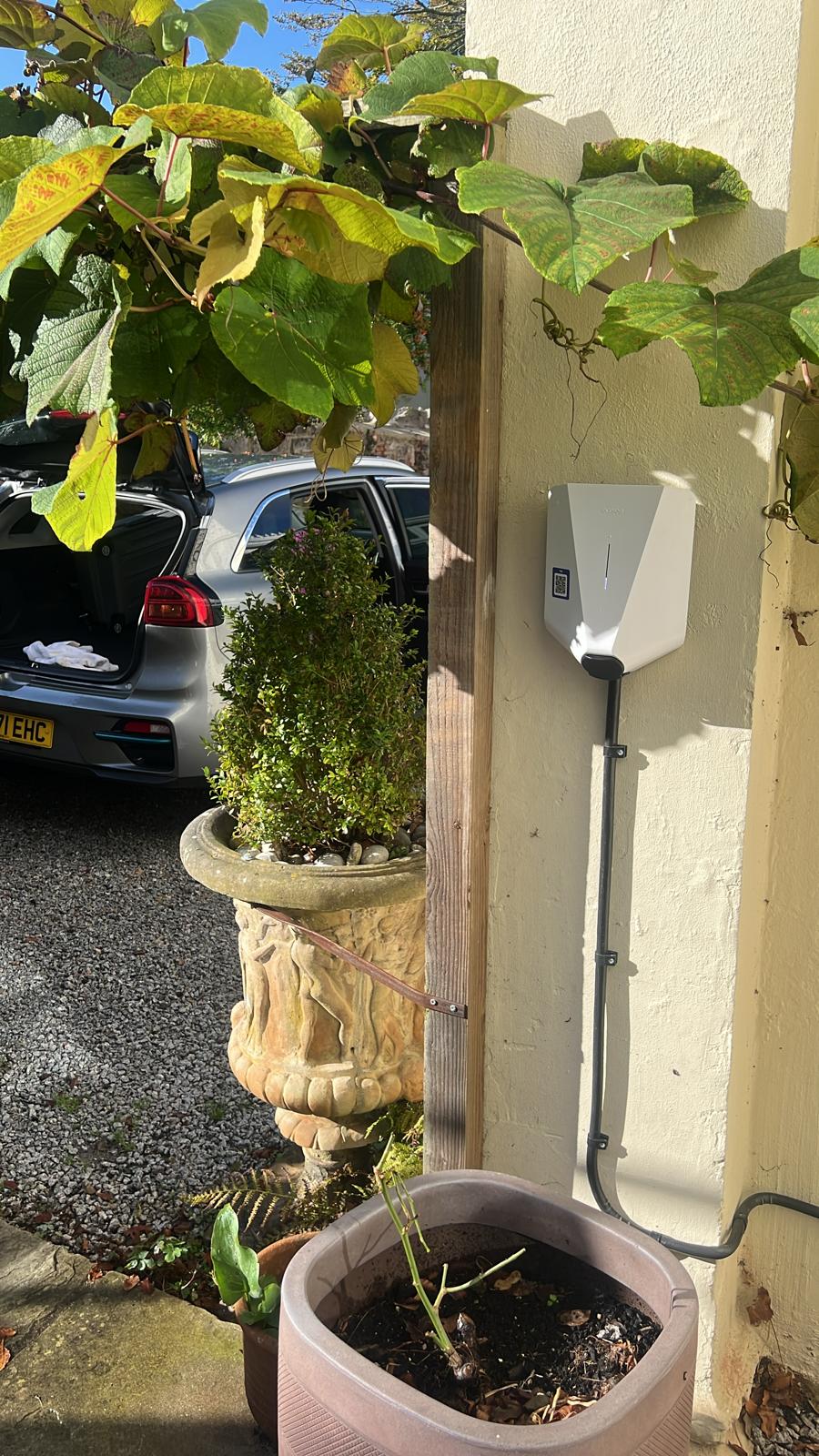
The short answer
Yes. Most holiday let owners should charge guests for EV charging, and the fairest way to do it is per kWh, through the charger itself. Bill guests for the energy they actually use, at a small mark-up on your own tariff. You don't need a flat fee, an honesty box or awkward conversations at checkout.
The bigger risk isn't undercharging. It's having no charger at all, because a growing share of guests filter for one before they look at anything else.
Why holiday lets need a charger in 2026
- More guests drive electric. Fully electric cars made up around 30% of new UK car registrations in June 2026, a record monthly share for the year.
- Guests filter for it. Booking sites like Airbnb have an "EV charger" filter. If your listing doesn't tick that box, an EV-driving family never sees it, however good your photos are.
- It pays back in bookings. Airbnb's own data, reported by Uplisting, puts the lift at around two extra booked nights for listings that offer a charger.
- The effect is strongest where public charging is thin, which describes much of Cornwall, Devon and other coastal and rural holiday areas.
What does a guest's charge actually cost you?
Here are the real numbers for a typical stay:
| Figure | |
|---|---|
| Typical EV battery | ~60 kWh |
| Common top-up (20% → 80%) | ~36 kWh |
| Your electricity cost at ~25–28p/kWh | ~£9–£10 per top-up |
| A week's stay with 2–3 top-ups | ~£20–£30 |
That isn't ruinous, but across a busy season with several EV-driving guests it adds up. It's also a cost you can't see on a standard socket, because you don't know who used what.
Tip: if your property is on an off-peak EV tariff (often around 7–9p/kWh overnight), a smart charger can schedule guest charging into those hours. That cuts your cost per top-up to roughly £3, and per-kWh billing turns it into a steady margin.
Three ways to handle it, from worst to best
1. Include it free
This is simple and guests love it, but the cost comes straight out of your margin and grows as more guests go electric. It only works if you've built the cost into your nightly rate.
2. Charge a flat fee (e.g. £10 per night)
This is easy to explain but unfair both ways. A guest who plugs in once overpays. A guest who arrives on 5% and charges every night underpays. A flat fee also tends to cause disputes.
3. Charge per kWh through a smart charger (recommended)
A smart charger meters every session. You set a price per kWh, and the guest pays through an app or a QR code. You never handle cash, never chase anyone, and never pay for someone else's fuel.
What should you charge per kWh?
A fair, easy-to-defend range is 35p–45p per kWh:
- It covers your electricity (~25–28p on a standard tariff, as little as 7–9p overnight on an off-peak EV tariff) plus wear and payment fees.
- It's still far cheaper than public rapid chargers, which often cost 70p+ per kWh. Guests notice that and see it as good value.
- On a 36 kWh top-up, the guest pays about £13–£16, and you clear a few pounds after costs.
Say it plainly in your listing: "EV charger on site — pay per kWh via app, roughly half the price of public rapid chargers."
Please don't use the three-pin socket
Owners often say "guests can just use the outside socket". Please don't allow it:
- Hours of sustained high current on a domestic socket is a genuine fire risk, especially with extension leads run out through a window.
- You can't meter it, so you can't bill it.
- It doesn't count as an "EV charger" for booking-site filters, so you get none of the visibility benefit.
Are there grants for holiday let EV chargers?
Yes. The government's Workplace Charging Scheme (run by OZEV) is open to small accommodation businesses, which explicitly includes holiday lets and other short-stay accommodation:
- It covers up to 75% of the cost of buying and installing a chargepoint, capped at £500 per socket (up from £350 since April 2026).
- Guests can use the charger. For small accommodation businesses, there's no restriction on who uses the parking.
- You need to own the property or have the landlord's consent, and the charger must go on off-street parking linked to the property.
- The scheme is open until 31 March 2027, so it's worth acting before then.
In practice, a good installer handles the application and takes the grant off your price. That's how Manta Power's holiday let offer comes in at £999 fully installed.
Quick checklist before you install
- Off-street parking within reach of the consumer unit
- A smart, metered charger with guest pay-per-use (not just a dumb socket)
- Your listing updated with the EV charger amenity ticked
- A clear line in your house guide on how to pay and what it costs
- Check your insurer knows there's a charger on site
FAQ
Is it legal to charge holiday let guests for electricity used for EV charging? Yes. Charging guests for EV charging at a fair per-kWh rate through a metered charger is common practice. Make the price clear in your listing before they book.
How much should I charge guests per kWh? Around 35p–45p per kWh. That covers your electricity and costs and is still much cheaper than public rapid charging.
Does an EV charger really get more bookings? Airbnb's data suggests listings with a charger get around two extra booked nights on average. EV drivers also filter by the amenity, so without one you may not appear in their search at all.
Can guests just use a normal plug socket? It's not recommended. It's slow, unmetered, a potential fire risk with extension leads, and it doesn't count as an EV charger amenity on booking sites.
Is there still a grant for holiday let EV chargers? Yes. Holiday lets count as small accommodation businesses under the Workplace Charging Scheme, which covers up to 75% of the install cost (max £500 per socket) until 31 March 2027. Guests are allowed to use the charger.
Thinking about a charger for your holiday let? Manta Power installs smart, guest-pay chargers for holiday let owners across Cornwall, Devon and the South West. See the holiday let offer, work out your earnings with our calculator, or call 07441 353701.