AC Charging vs DC Charging: What's the Difference, and Which Does a Holiday Let Need?
The short answer
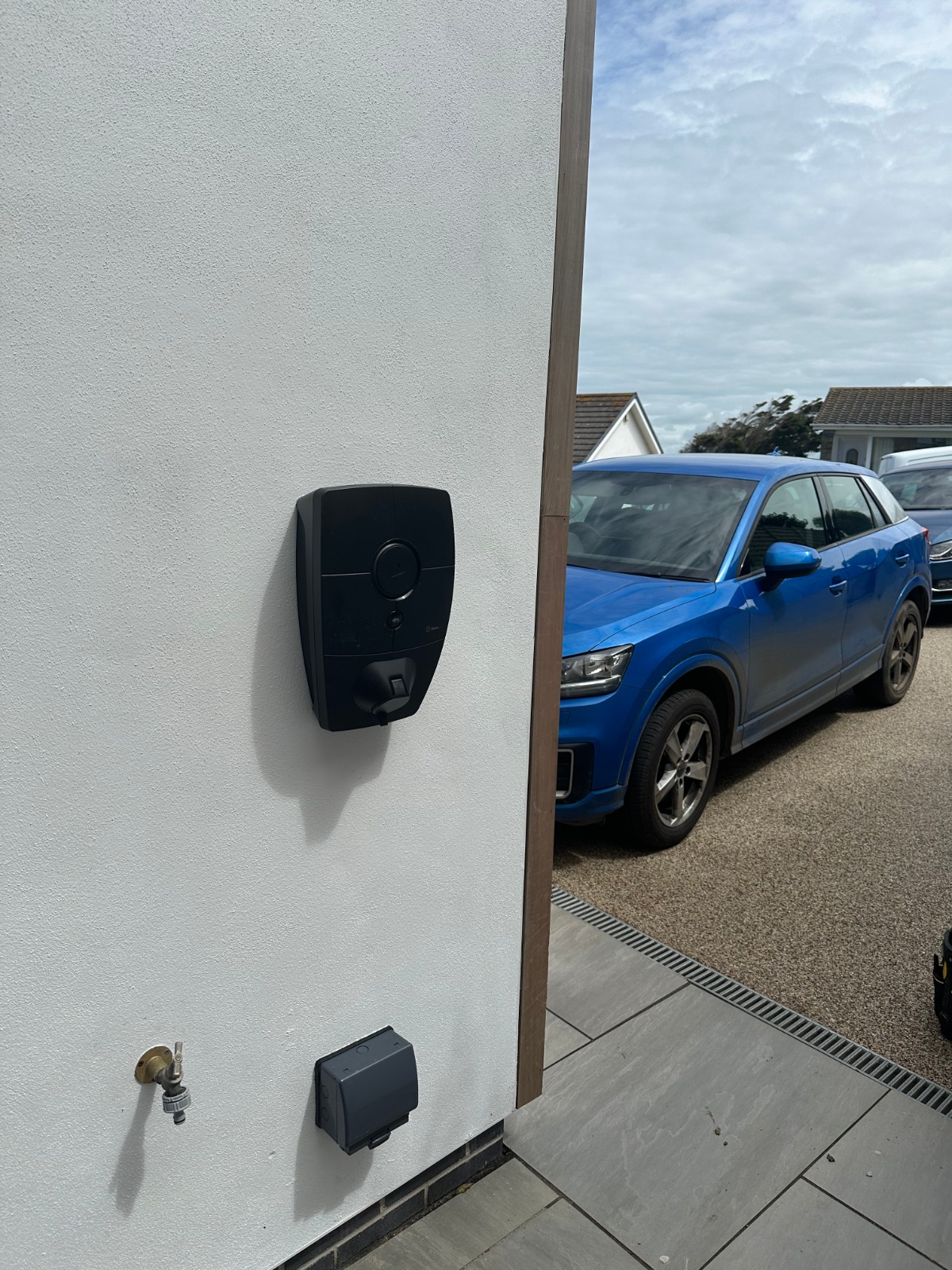
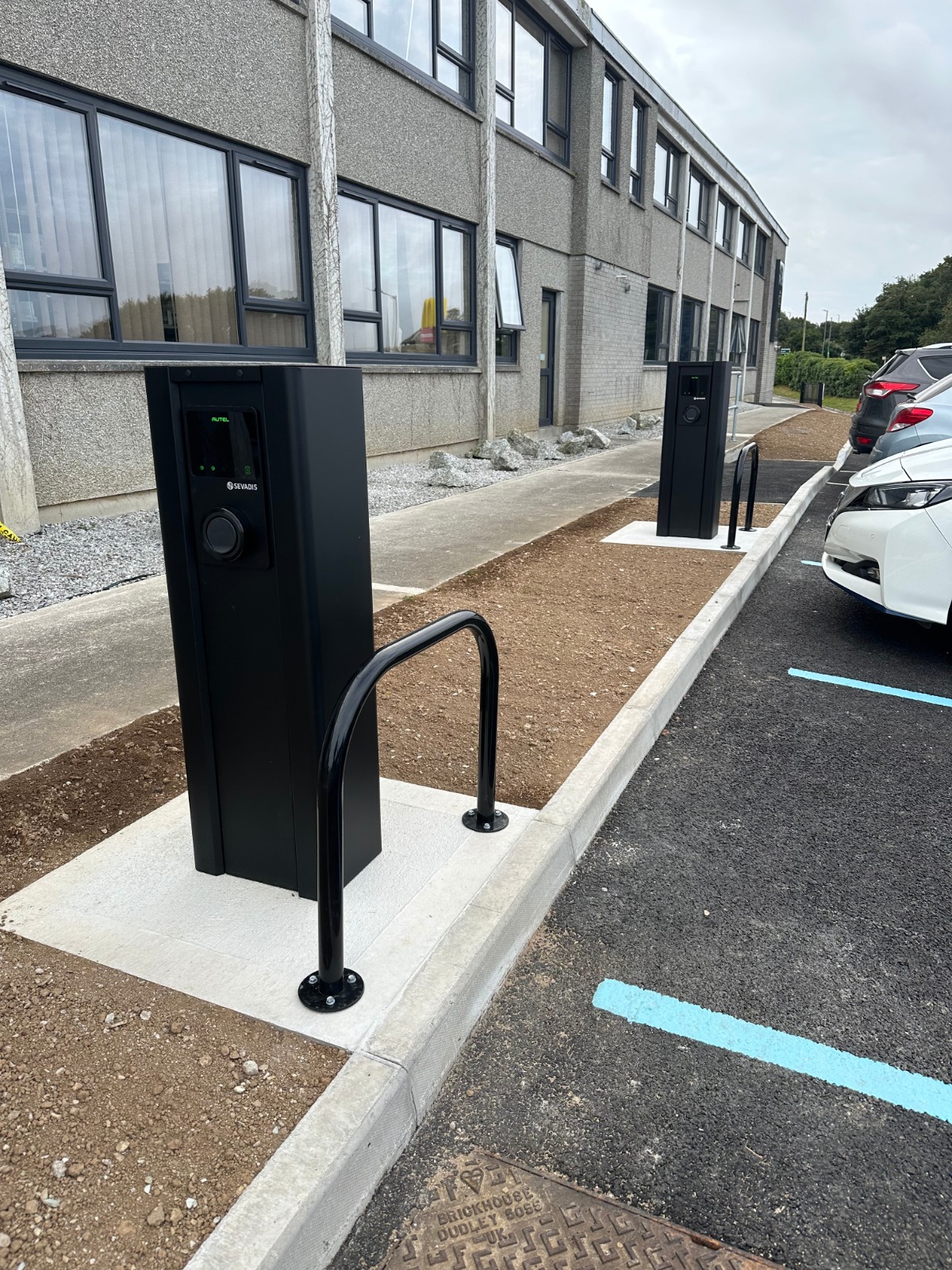
AC charging is the slower, everyday kind of EV charging you get from a wallbox at home, at work or at a holiday let: the car's own onboard charger turns the AC electricity from the grid into DC for the battery. DC charging is rapid charging: the charger does that conversion itself and feeds DC straight into the battery, which is much faster but far more expensive to install and to use. For homes and holiday lets, where cars sit parked overnight, a 7kW AC charger is almost always the right choice.
What is AC charging?
The electricity in your house is alternating current (AC). An EV battery can only store direct current (DC). So something has to convert it.
With AC charging, that job is done by a box inside the car called the onboard charger. The wallbox on the wall is really a smart, safe switch: it talks to the car, checks the connection is safe, and lets AC power flow. The car does the rest.
This matters because the onboard charger sets a hard limit on how fast the car can take AC power. Most cars sold in the UK have an onboard charger rated at 7kW or 11kW, and a few go up to 22kW. Plug a car with a 7kW onboard charger into a 22kW post and it will still only charge at about 7kW.
AC charging in UK homes
Most UK homes, including most holiday cottages in Cornwall and Devon, have a single-phase electricity supply. A 32-amp single-phase circuit gives a maximum of about 7.4kW, which is why the standard home charger in the UK is a "7kW" wallbox.
Faster AC charging (11kW or 22kW) needs a three-phase supply. That's common in commercial buildings and some farms, but rare in houses. On a single-phase supply, an 11kW or 22kW charger simply runs at around 7kW.
What is DC charging?
With DC charging, the big conversion kit lives inside the charger instead of the car. The charger turns AC from the grid into DC and sends it straight to the battery, bypassing the onboard charger. That's how rapid and ultra-rapid chargers can deliver 50kW, 150kW or more.
You'll find DC chargers at motorway services, supermarkets and charging hubs. According to Zapmap, the UK had 15,335 ultra-rapid (150kW+) chargers at the end of September 2026, with that category growing fastest of all.
DC chargers are big, expensive pieces of equipment. They usually need a much larger grid connection than a house or small business has, and they cost far more to buy and install than a wallbox.
AC vs DC charging at a glance
| AC charging | DC charging | |
|---|---|---|
| Where the conversion happens | In the car (onboard charger) | In the charger |
| Typical power | 3.7kW to 22kW (7kW on most homes) | 50kW to 350kW |
| Typical use | Home, work, holiday lets, hotels, destination parking | Motorway services, hubs, quick top-ups on a journey |
| Time to add about 200 miles* | Roughly 7–9 hours at 7kW | Roughly 30–60 minutes, depending on the car |
| Supply needed | Normal single-phase supply (for 7kW) | Large commercial connection |
| Cost to the driver | Low (see below) | Highest per kWh |
| Connector | Type 2 | CCS (almost all new cars) |
*Rough guide based on a typical modern EV using about 0.25–0.3kWh per mile. Real times depend on the car, battery size, weather and how full the battery already is.
Why price matters to drivers
DC rapid charging is convenient, but drivers pay for the speed. Zapmap's August 2026 figures put the average price of rapid and ultra-rapid charging at about 77p per kWh, against about 54p per kWh for slower public charging.
Compare that with charging at a holiday let:
| Where the guest charges | Price per kWh | Cost of 40kWh (roughly 130–160 miles) |
|---|---|---|
| Public rapid / ultra-rapid (Zapmap average) | ~77p | ~£30.80 |
| Public slower charging (Zapmap average) | ~54p | ~£21.60 |
| Your holiday let, guest-pay charger at a fair rate | 35–45p | £14–£18 |
So a guest-pay AC charger at your property is both cheaper for the guest and lets them wake up to a full battery, with no detour to a rapid charger on the A30.
For the owner, a standard electricity tariff costs about 25–28p per kWh, and overnight off-peak EV tariffs are about 7–9p per kWh. Charging guests 35–45p covers your electricity with a margin, whichever tariff you're on.
Which does a holiday let need: AC or DC?
AC, in almost every case. Here's why:
- Guests stay overnight. A car parked for 8–12 hours on a 7kW charger can take in 50–80kWh, which is more than most cars need to fill up. Speed beyond that isn't useful.
- It works with your existing supply. A 7kW AC charger runs on the normal single-phase supply most cottages, lodges and barn conversions already have.
- Every EV can use it. All mainstream EVs sold in the UK can charge from a Type 2 AC connector.
- It's far cheaper to install. DC rapid chargers need costly equipment and usually a bigger grid connection. That doesn't make sense for one or two guest cars a night.
- It qualifies for the grant. Holiday lets can use the OZEV Workplace Charging Scheme, which covers up to 75% of the cost, capped at £500 per socket, until 31 March 2027. There is no minimum number of parking spaces for small accommodation businesses.
When might 11kW or 22kW AC make sense?
If your property already has a three-phase supply (some farms, larger holiday parks and converted commercial buildings do), an 11kW or 22kW AC charger can help guests who arrive late and leave early, or sites with several cars sharing chargers. But many guests' cars will still be limited to 7kW or 11kW by their onboard charger. For most single holiday lets in Cornwall and Devon, 7kW is the sensible choice.
AC charging and smart guest-pay chargers
A modern smart AC charger does more than deliver power. It can:
- Meter each charging session in kWh
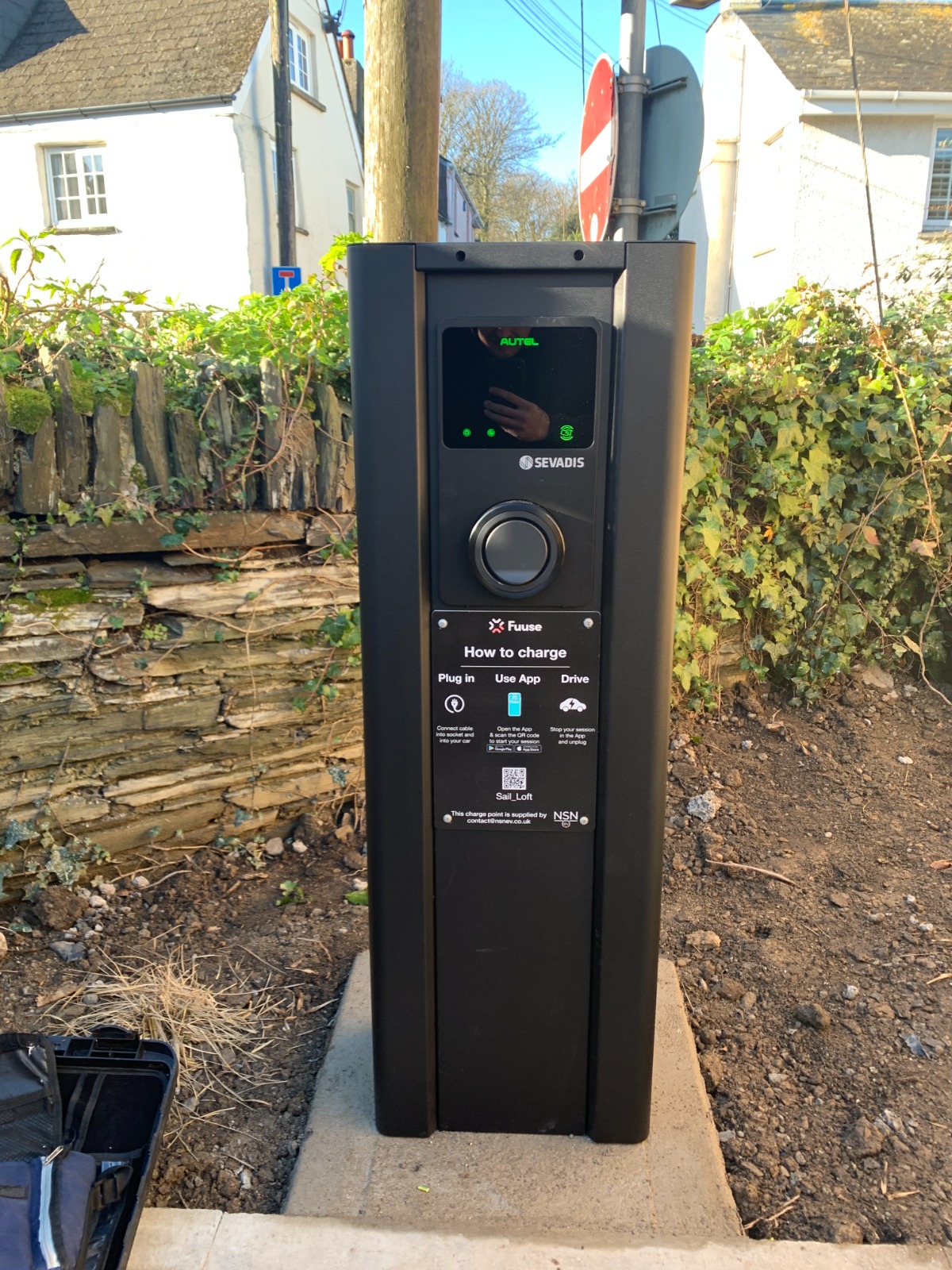
- Let the guest pay through an app or by scanning a QR code, so you never have to work out a bill
- Send the income to you automatically
- Schedule charging for cheaper off-peak hours if you're on an EV tariff
That turns the charger from a cost into a small income stream and a reason for EV drivers to book your property over the one down the road.
FAQ
What does AC charging mean? AC charging means the charger supplies alternating current from the grid, and the car's onboard charger converts it to DC for the battery. It's the type used by home, workplace and holiday let wallboxes, usually at 7kW in the UK.
Is AC or DC charging better for the battery? AC charging is gentler because it's slower, and carmakers generally suggest using it for everyday charging. Occasional DC rapid charging on long journeys is normal and expected.
Can I get a DC rapid charger at my holiday let? It's technically possible, but rarely worth it. DC chargers cost far more and usually need a larger grid connection. Guests staying overnight get a full charge from a 7kW AC charger anyway.
Will a 22kW charger charge my guests' cars faster? Only if your property has a three-phase supply and the guest's car has an onboard charger that accepts 22kW. Most UK homes are single-phase, so a 22kW unit would run at about 7kW.
What plug do AC chargers use in the UK? Type 2. Every mainstream EV sold in the UK can charge from a Type 2 connector, either with a tethered cable on the charger or the driver's own cable.
Thinking about an AC charger for your holiday let? Manta Power arranges smart, guest-pay chargers for holiday let owners across Cornwall, Devon and the South West, fitted by our local installation partners. See the holiday let offer, work out your earnings with our calculator, or call 07441 353701.